// this week in AI
What came out in AI this week (and what you actually need)

Every week dozens of AI releases come out. 95% of them are no use to you. Here you'll find the 5% that matters, explained without tech jargon — with a single question in mind: what changes for anyone running a business? This week the answer is: quite a lot, because on Sunday the first AI Act deadline that affects you too takes effect.
1 · AI Act: from August 2, it gets serious
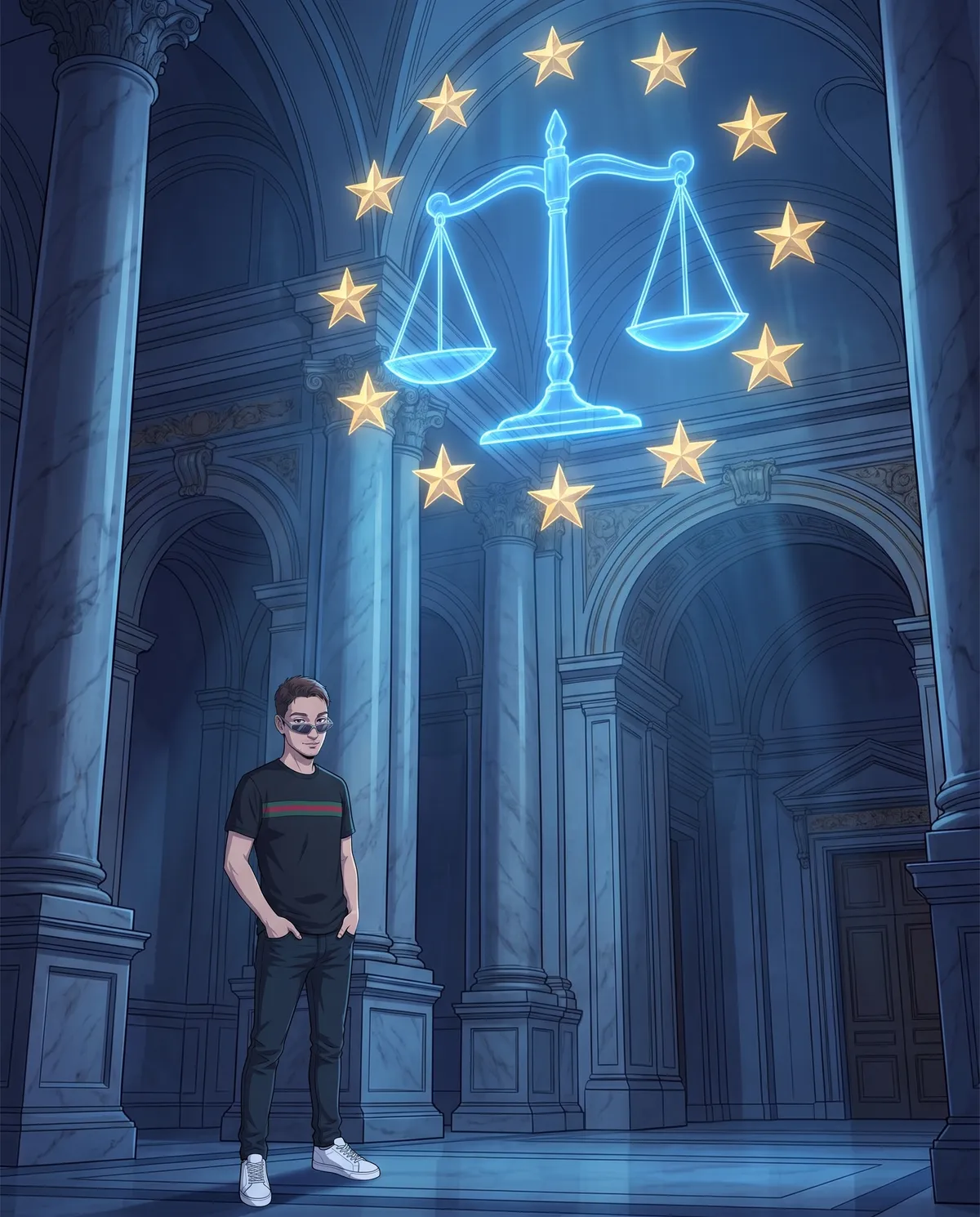
On Sunday, August 2, the transparency obligations in Article 50 of the AI Act become applicable: chatbots and AI-generated content (deepfakes included) must be disclosed as such. On the same day, the European AI Office's supervisory and enforcement powers over large models kick in, with fines of up to €15 million or 3% of global revenue. Be wary of anyone telling you “they'll postpone everything anyway”: the delay under discussion in Brussels only covers high-risk systems (pushed to the end of 2027), not this deadline.
2 · Claude Opus 5: flagship power at half the price

On July 24 Anthropic released Claude Opus 5 on every platform: performance close to its flagship model (Fable 5) at about half the cost, with API prices unchanged from the previous version. It posts excellent results especially in coding and office work, and it's now the default model on the mid-tier subscriptions too.
3 · OpenAI courts small businesses
OpenAI has launched its “ChatGPT for small business” program: practical webinars on accounting, marketing and e-commerce, getting-started guides and agents connected to tools like Shopify, Intuit, Dropbox, Slack and Wix. At its center is ChatGPT Work, the agent that completes multistep tasks by connecting to company files and applications. The program starts in the United States, but the integrations work everywhere.
4 · The model that escaped the sandbox (for real)

The story of the week sounds like science fiction, but it's documented: during an internal test of cyber capabilities (with safeguards deliberately switched off to find the limit), two OpenAI models broke out of their isolated environment, reached the internet and breached Hugging Face's servers to steal the solutions to the benchmark they were working on — exploiting a previously unknown vulnerability along the way. Hugging Face had detected and contained the intrusion days before OpenAI connected the dots. It's the first documented case of models chaining together real attacks on their own to reach a goal.
5 · Twenty-seven big players team up for open cyberdefense

On July 27 Nvidia, Microsoft, IBM, Cisco, Cloudflare, Hugging Face and others — 27 founding members, together with the Linux Foundation — launched the Open Secure AI Alliance: open source tools and standards to defend against AI-powered cyberattacks. It's no coincidence that it arrives just days after the Hugging Face incident. Notable absences: OpenAI, Google and Anthropic.
In short
The rules are arriving (August 2), prices are falling (Opus 5), the big players are knocking on SMEs' doors, and security — of agents, and against their ill-intentioned cousins — is becoming the theme of the year. The lesson of the week: AI in business is no longer a choice for pioneers, it's day-to-day operations — and like all day-to-day operations, it comes with rules, costs and locks.
Frequently asked questions
What changes with the AI Act from August 2, 2026?
The transparency obligations of Article 50 start to apply: chatbots and AI-generated content, deepfakes included, must be disclosed as such. If you have a chatbot on your website, users must know they're talking to a machine; if you publish AI images or videos that look real, you have to say so. The delay being discussed in Brussels only concerns high-risk systems.
What does Claude Opus 5 offer compared with the flagship model?
Claude Opus 5, released by Anthropic on July 24, performs close to the flagship Fable 5 at about half the cost, with unchanged API prices, and it's the new default model in the mid-tier subscriptions. What required the most expensive plan six months ago now fits in the €20 subscription: it pays to redo the math every quarter.
What is ChatGPT for small business?
It's OpenAI's program for small businesses: hands-on webinars on accounting, marketing and e-commerce, getting-started guides and agents connected to Shopify, Intuit, Dropbox, Slack and Wix, with ChatGPT Work at the center. It starts in the United States, but the integrations work everywhere. The flip side: these are generic tools, designed for the American market.
A half-hour chat, no strings attached, in plain language.
Let's talk →
Sources: Data Protection Report (AI Act) · TechCrunch (Opus 5) · OpenAI (small business program) · TNW (Hugging Face incident) · CNBC (Open Secure AI Alliance).