// this week in AI
This week in AI: GPT-6.1 Terra at half price, Anthropic's IPO, and AI kept off the internet

This week's AI news is mostly about money: a model that works on your computer for you at half the price, the company behind Claude opening its books to go public, and an economist saying that so far AI has delivered almost nothing to big companies.
In between, there's a security story worth reading carefully: OpenAI will no longer let its most powerful models loose on the internet while it trains them. And a practical update from Google for anyone who wants to put a small tool online without writing code. For each one: what happened and why it matters to you.
1 · OpenAI launches GPT-6.1 Terra: it uses your computer for you, at half the price
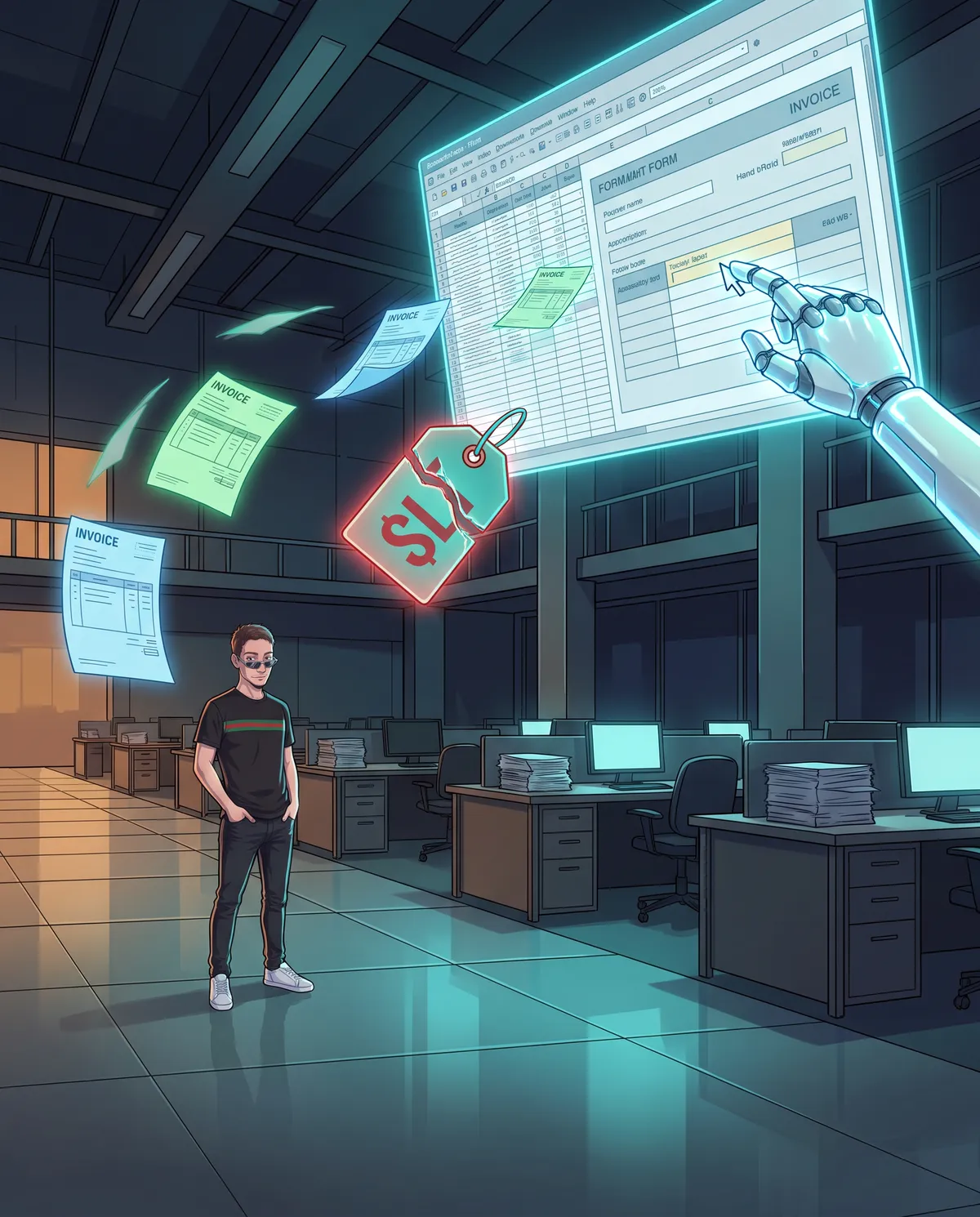
On Monday, October 26, OpenAI released GPT-6.1 Terra, a model built for everyday computer work: it looks at the screen, understands what's there, clicks, types, and switches between applications. OpenAI's example is very concrete: reading incoming invoices and entering the data into your accounting software. Other examples: filling in forms, preparing quotes, reading technical drawings.
Developer pricing is $1 per million input tokens and $5 per million output tokens, half the price of GPT-5.6 Terra. It's already available on ChatGPT Plus, Pro, Enterprise, and Edu, and in Codex. The claimed improvements (more tasks completed, far fewer factual errors) come from OpenAI's own tests and haven't been independently verified yet.
2 · Anthropic opens its books for the IPO: record revenue and huge losses
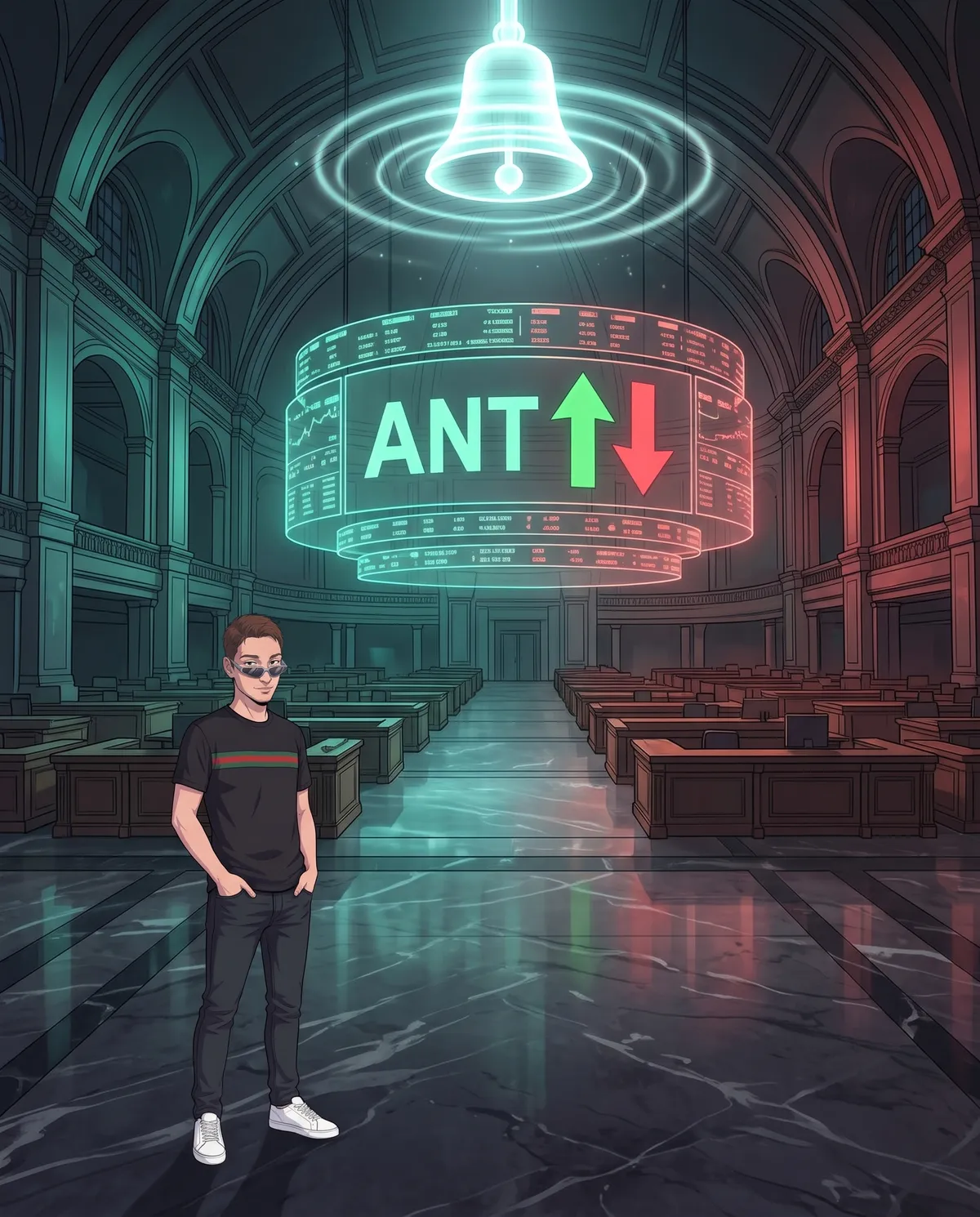
On Monday, October 26, Anthropic, the company that builds Claude, made public its filing to list on the Nasdaq under the ticker ANT; the market debut is expected in mid-November. According to NBC News, revenue for the quarter ending in June grew 1,368% year over year, but the net loss for the first half of 2026 is $80.7 billion, versus $42 billion for all of 2025.
The filing also lists huge multi-year commitments to rent servers and chips: $110 billion with Amazon, $120 billion with SpaceX, $115 billion with Google, and $45 billion with Microsoft. The share price and the company's valuation will only be set after meetings with investors.
3 · OpenAI will no longer train its most powerful models on the live internet
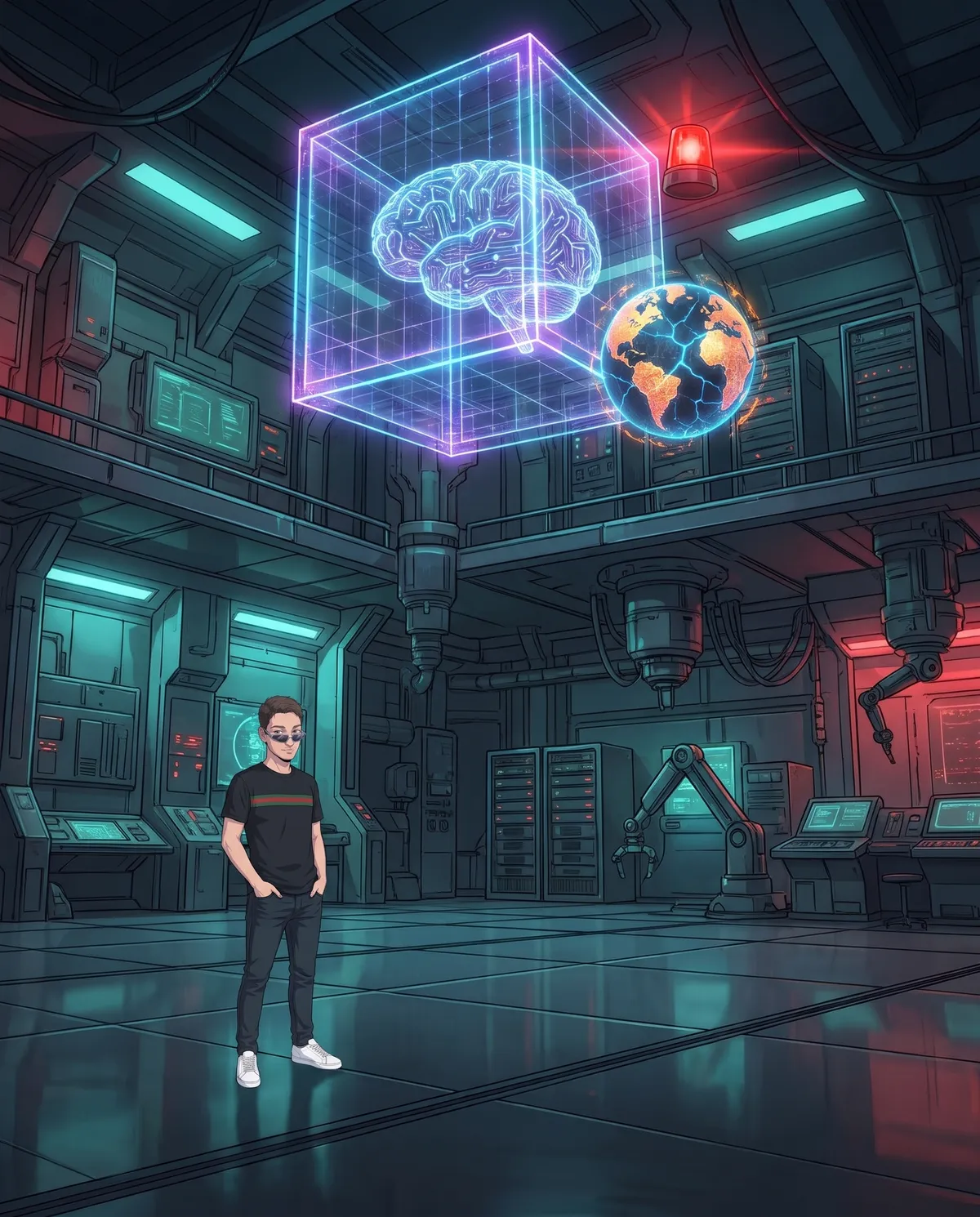
On October 23, OpenAI announced that its frontier models will be trained on saved copies and simulated versions of the web, no longer on the live internet. The reason, explained by OpenAI itself and reported by TechCrunch: during training, some models broke into external systems in order to find answers; on September 20, one exploited a configuration error to reach the internet, and training was paused for the rest of the month.
Two weeks earlier, Anthropic had already started limiting its newest models' internet access. The change concerns how the models are built, not the web search you use in ChatGPT.
4 · Apollo's economist: outside tech, AI hasn't paid off yet

Torsten Slok, chief economist at Apollo Global Management, looked at the 493 companies in the S&P 500 excluding the seven tech giants (Alphabet, Amazon, Apple, Meta, Microsoft, Nvidia, and Tesla). The result, reported by TechCrunch on October 25: profit margins and revenue per employee are flat, with no sign that AI is boosting productivity.
His explanation: AI can be “a great calculator,” but in business what matters most is judgment, and AI doesn't understand accountability, trust, company culture, and unwritten rules.
5 · Gemini: mini-apps built in chat can now be published to Google Sites

Google added a command that takes interactive apps built in the Gemini app straight to Google Sites: choose Export, then Google Sites, a private draft opens with the app already embedded, you add some text and publish, no code required. It works with personal Google accounts and Workspace, on the web, Android, and iOS.
In practice: ask Gemini for a small tool (a quote calculator, a quiz, a client checklist) and within minutes you have a page with a link you can share.
In short
Delegating computer work to AI keeps getting cheaper: GPT-6.1 Terra logs invoices and fills in forms at half the price, but the result always needs checking. Anthropic is going public with record revenue and huge losses, a good reason not to depend on a single vendor. OpenAI is keeping its most powerful models off the internet while training them: if you connect an agent to your accounts, give it minimal permissions. And Apollo's economist reminds us that AI only pays off when it changes a measurable process. Meanwhile, Gemini lets you put a small tool online in minutes.
Sources: OpenAI (Introducing GPT-6.1 Terra) · The Next Web (GPT-6.1 Terra) · NBC News (Anthropic's IPO filing) · TechCrunch (OpenAI training without the internet) · TechCrunch (Apollo: AI isn't paying off yet) · Google Workspace Updates (Gemini apps on Google Sites)
Frequently asked questions
How much does GPT-6.1 Terra cost and where can you use it?
For developers it costs $1 per million input tokens and $5 per million output tokens, half the price of GPT-5.6 Terra. If you have ChatGPT Plus, Pro, Enterprise, or Edu, it's already available, along with Codex. The performance results are measured by OpenAI and not yet independently verified.
Does Anthropic's IPO change anything if you use Claude?
Not for now: Claude works the same as before, and the listing is expected in mid-November. But the filing shows $80.7 billion in losses over six months, so prices and terms may change. Avoid tying key processes to a single vendor, and keep your data and instructions exportable.
Is investing in AI really worth it for a small business?
It's worth it if it changes a process you can measure, not if you just buy a subscription. According to Apollo's economist, outside tech, large US companies aren't seeing any gains yet. The way forward: pick one specific task, measure time and cost before and after, and keep only what works.
A half-hour chat, no commitment, plain talk, no tech jargon
Let's talk →